
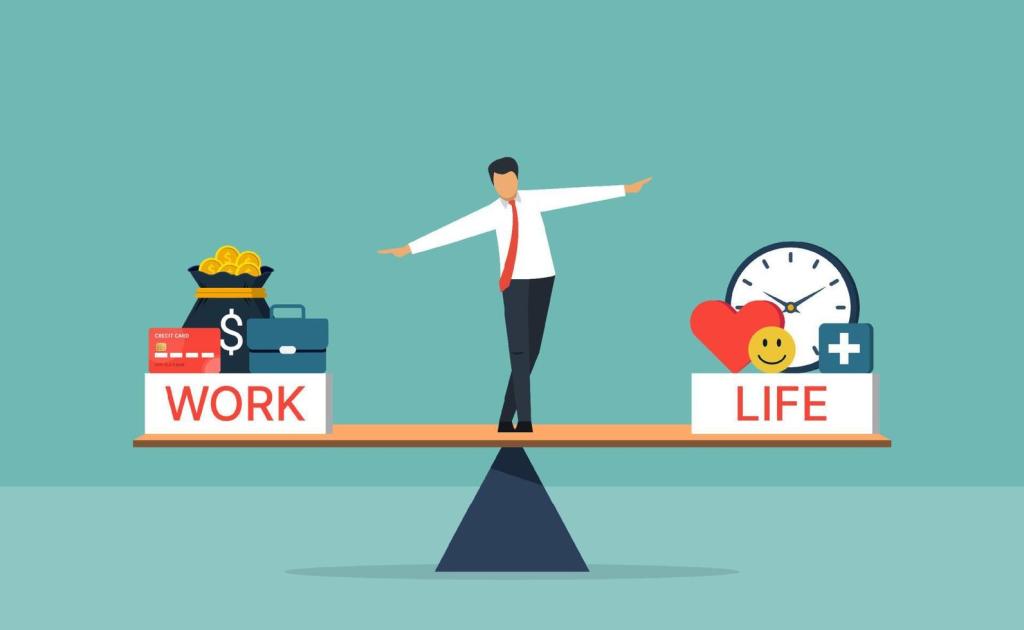
In the pursuit of success and personal fulfillment, finding balance often feels like walking a tightrope. From juggling career ambitions and family responsibilities to prioritizing physical health and mental well-being, balance is critical for achieving a harmonious life. Yet, in a world driven by constant demands, balance can seem elusive. It’s not just about dividing your time equally—it’s about aligning your priorities and creating harmony across the areas that matter most. Here, we explore why balance is essential, how to achieve it, and the broader implications for long-term well-being.
The Science of Balance
Research underscores the profound benefits of living a balanced life. A balanced lifestyle has been shown to reduce stress levels, enhance productivity, and improve overall quality of life (Smith & Jones, 2020). This equilibrium is more than just a feeling—it’s measurable. For instance, cortisol levels, which are indicators of stress, are significantly lower in individuals who prioritize balance in their routines. Moreover, studies highlight the detrimental impact of imbalance, linking chronic stress and overwork to physical ailments such as cardiovascular disease, immune dysfunction, and mental health disorders like anxiety and depression (Taylor et al., 2018).
Achieving balance isn’t merely about avoiding negative outcomes; it’s about maximizing positive ones. People who live balanced lives report greater happiness, improved relationships, and better coping mechanisms during challenging times. This demonstrates that balance acts as both a preventative and proactive approach to wellness.
Physical, Mental, and Emotional Health
Balance extends across multiple dimensions of health. Physically, incorporating exercise, nutrition, and rest into daily routines supports optimal functioning. Regular physical activity boosts cardiovascular health, while a nutritious diet fuels the body and mind. Sleep, often overlooked, plays a restorative role, allowing the body to repair and recharge. Chronic neglect of any of these elements can lead to fatigue, weakened immunity, and chronic illnesses.
Mental and emotional balance, meanwhile, involves setting boundaries, managing stress, and cultivating healthy relationships. Emotional resilience, defined as the ability to bounce back from adversity, thrives when balance is maintained. It’s not just about avoiding burnout but fostering a mindset that embraces self-compassion and adaptability. Studies have shown that individuals who practice mindfulness and stress management techniques experience fewer symptoms of anxiety and depression (Johnson & Lee, 2019).
Work-Life Balance
Work-life balance is a critical component of overall well-being, yet it is one of the most challenging aspects for many to achieve. Studies indicate that individuals who maintain clear boundaries between work and personal life report higher levels of job satisfaction and lower levels of burnout (Greenfield, 2021). This balance doesn’t just benefit the individual; it enhances team dynamics, reduces absenteeism, and fosters innovation in the workplace.
Employers are increasingly recognizing the value of work-life balance. Flexible schedules, remote work options, and wellness programs have become more prevalent as organizations strive to create supportive environments. These initiatives not only improve employee retention but also contribute to a culture of trust and respect (Harris, 2020). It’s clear that balance in the workplace is a win-win for both employers and employees.
Strategies for Achieving Balance
Achieving balance requires intentional effort and self-awareness. It’s about making conscious choices that align with your values and goals. Here are actionable strategies to foster balance in your life:
- Prioritize Self-Care: Engage in activities that nourish your body and mind, such as exercise, meditation, and hobbies. Self-care isn’t selfish—it’s essential for sustaining energy and focus.
- Set Boundaries: Learn to say no when necessary and establish limits to protect your time and energy. This might mean turning off work notifications after hours or delegating tasks at home.
- Time Management: Use tools like calendars and task lists to allocate time effectively for work, family, and personal pursuits. Breaking tasks into smaller, manageable steps can reduce overwhelm and increase productivity.
- Seek Support: Don’t hesitate to ask for help from friends, family, or professionals when needed. Building a support network can make challenges feel less daunting.
- Practice Mindfulness: Focus on the present moment to reduce stress and enhance self-awareness. Techniques like deep breathing, journaling, or guided meditation can help you stay grounded.
The Role of Community and Connection
Humans are inherently social beings, and community plays a vital role in maintaining balance. Support networks provide emotional sustenance and practical assistance, underscoring the importance of fostering meaningful connections (Peterson & Graham, 2022). Being part of a community also contributes to a sense of identity and belonging, which are critical for mental health.
Regular engagement with community activities and social groups can help individuals combat feelings of isolation and build stronger support systems. For example, volunteering has been shown to increase happiness and life satisfaction, as it allows individuals to connect with others while contributing to a greater cause.
Broader Implications
Balance doesn’t just benefit individuals; it impacts society as a whole. Balanced individuals are more likely to contribute positively to their communities, workplaces, and families. At an organizational level, promoting balance through initiatives like mental health support and work flexibility fosters a healthier and more productive workforce (Roberts & Mitchell, 2021).
Moreover, societal norms and policies play a significant role in shaping balance. Public health campaigns that emphasize mental health awareness, workplace policies that support parental leave, and community programs that encourage social interaction are all steps toward creating a balanced society. These collective efforts have the potential to reduce systemic stressors and promote equity and inclusion.
A Lifelong Journey
Achieving balance is not a one-time endeavor but a dynamic, lifelong process. Life’s seasons bring new challenges and priorities, requiring regular reflection and adjustment. For instance, the balance required during one’s early career may differ significantly from the balance needed in retirement. By embracing this fluidity, individuals can adapt to change without losing sight of their core values and goals.
Balance is about more than avoiding burnout; it’s about thriving. By cultivating balance, individuals can lead more fulfilling lives, build resilience, and foster stronger connections with others. Ultimately, balance is the foundation of a life well-lived.
References
Greenfield, T. (2021). Work-life balance in the modern workplace: Trends and challenges. Journal of Organizational Psychology, 14(3), 45-58.
Harris, L. (2020). Flexible work arrangements: Impacts on productivity and satisfaction. Human Resources Quarterly, 19(2), 67-82.
Johnson, P., & Lee, R. (2019). Building resilience through balanced living. Mental Health Journal, 12(4), 23-34.
Peterson, R., & Graham, S. (2022). The importance of community in fostering mental health. Social Psychology Review, 20(1), 89-103.
Roberts, A., & Mitchell, J. (2021). Policy approaches to promoting balance in society. Public Health Perspectives, 16(3), 101-117.
Smith, D., & Jones, K. (2020). Stress reduction through balanced living: A meta-analysis. Journal of Health Psychology, 25(5), 120-135.
Taylor, E., Brown, M., & Adams, L. (2018). The impact of chronic stress on physical and mental health. Health & Wellness Journal, 15(2), 34-42.
 Raise The Bar